
Category: Cardiomic
-
How to Use Cardiomic Correctly
What the app does Cardiomic uses your smartphone’s microphone to capture subtle acoustic signals from the body and observe heartbeat-related patterns. Because it depends on real-world sound conditions, the quality of the result is strongly affected by how the phone is positioned, how still you remain, and how quiet the environment is. Cardiomic is not…
-
How Cardiomic Makes Heart Data Observable, Verifiable, and Transparent
Observing the Signal, Not Just the Result Most digital health apps present results as finished numbers: a BPM value, a stress score, a readiness index. The underlying signal that generated these numbers remains hidden, locked away in proprietary algorithms. Cardiomic takes a different approach. Rather than concealing the raw data, it exposes the acoustic signal…
-
What Cardiomic Is — and What It Is Not
Cardiomic is a smartphone-based heart observation app. It uses the phone’s microphone to capture heart sounds, processes the signal locally on the device, and presents waveform and rhythm-related measurements for self-observation. It is not a medical device and does not provide diagnosis. This article answers the main questions about Cardiomic: what it is, what it…
-
You Can Hear Your Heart — But Are You Observing It?
Why trust is more durable than promises You can hear your heart right now. But do you know if it sounds the same as yesterday? Most digital health products begin with a promise. Better sleep. Lower stress. Early detection. Prevention. The promise is often what attracts attention. But over time, it can also become the…
-
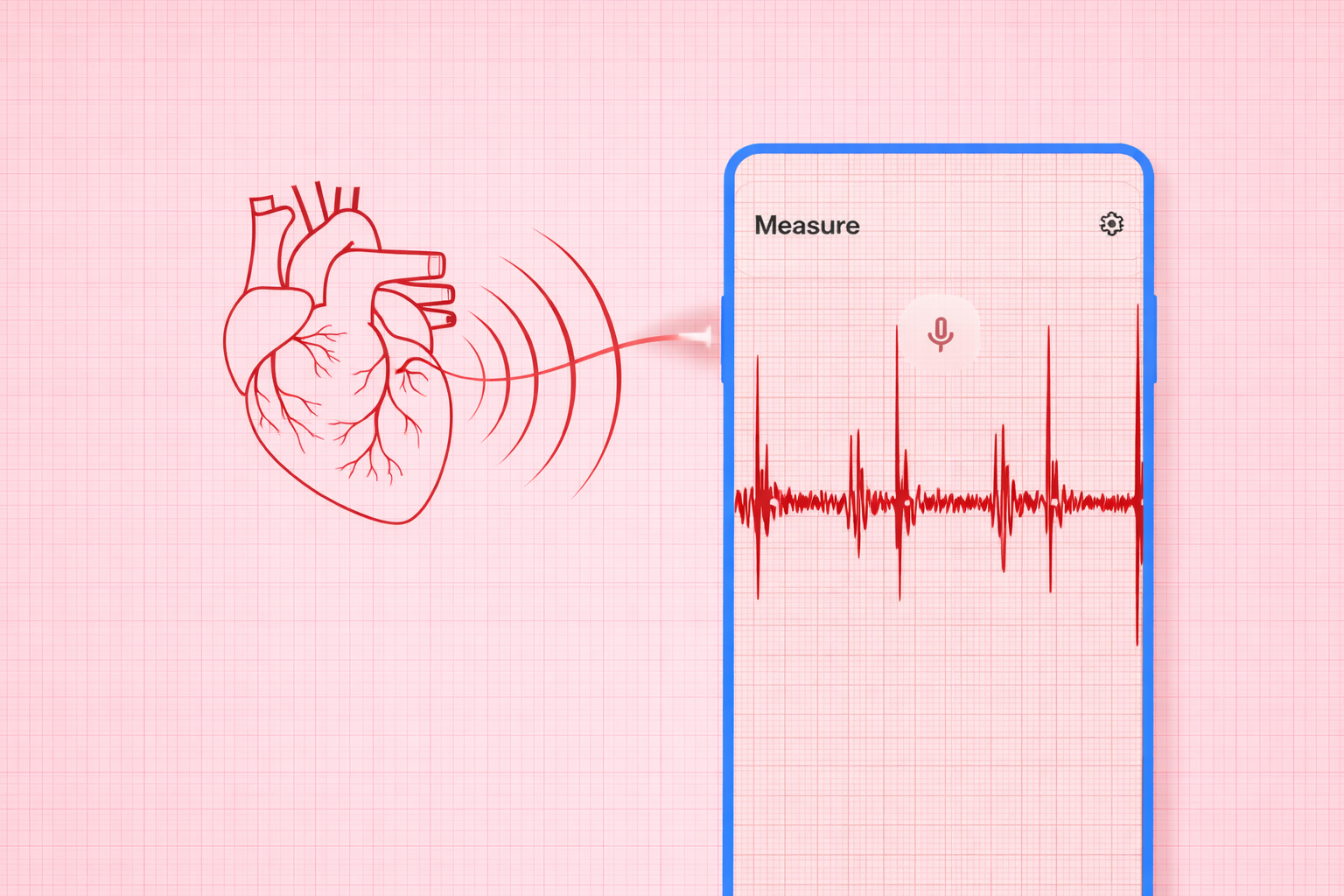
Why Medical Students Should Record Their Own Heart Sounds
A gap in medical training Medical students spend years learning to recognize heart sounds —yet most of them have never recorded their own. Traditional training relies on two main approaches: listening to patients in clinical settings and studying curated or simulated audio. Both are valuable. But they share a limitation: they rarely give students a…
-
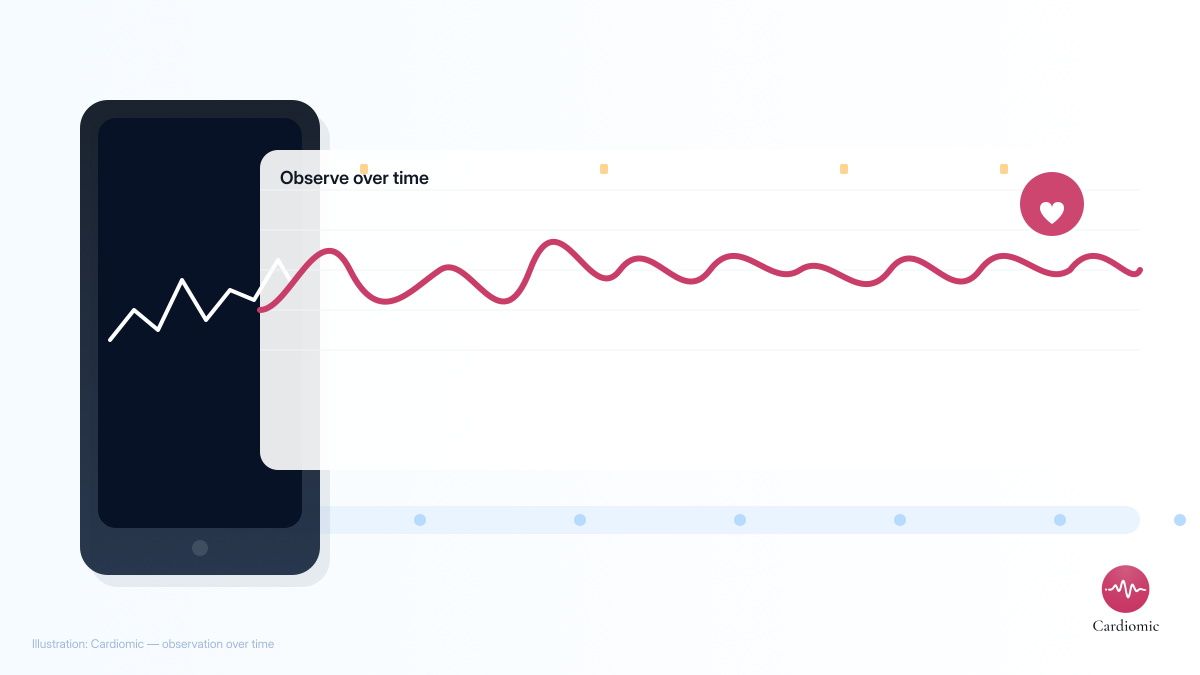
Why the World Needs Cardiomic When Smartphone Stethoscopes Already Exist
A fair question — and the right place to start As digital health evolves, a natural question emerges: If apps already turn smartphones into stethoscopes, why does Cardiomic exist? This is not just a valid question.It is the question. Because answering it reveals a fundamental distinction in how we approach the heart. What already exists…
-
Can Your Smartphone Hear Your Heartbeat?
A new way to observe the rhythm of the heart The human heart beats roughly 100,000 times every day. Most of these beats occur without our awareness. We notice the heart only in specific situations—during intense exercise, moments of stress, or when a physician listens through a stethoscope. For centuries, observing the heart required specialized…
-
Why Observing Your Physiology Matters
Understanding the signals that constantly emerge from the body The human body constantly produces signals. Every heartbeat, breath, and physiological adjustment generates patterns that reflect how the body is functioning. Most of these signals remain invisible in everyday life. They occur continuously, but without instruments they are difficult to observe directly. Advances in digital technology…
-
What Is a Phonocardiogram?
Visualizing heart sounds as a signal over time A phonocardiogram is a graphical representation of the acoustic signals produced by the heart. Each heartbeat generates mechanical vibrations when heart valves open and close. These vibrations propagate through the chest and can be detected as sound. When these sounds are captured with a sensor and plotted…
-
What Is Heart Rhythm Coherence?
When heart rhythm patterns become more ordered and synchronized The rhythm of the heart constantly fluctuates as the body adapts to internal physiological processes. These variations are influenced by breathing, the autonomic nervous system, and other regulatory mechanisms. In some situations, these rhythm fluctuations can organize into more regular and structured patterns. When this happens,…